Part 1 of an article I wrote for jewishinstlouis.org
Every art student learns about the fair use principle, granting us permission to use any image in our artwork as long as we transform it so that it conveys new meaning. But beyond that all-encompassing definition, we don’t know what transgressions, if any, we are actually committing.

Recently in the news is the preemptive lawsuit artist Shepard Fairey filed against the Associated Press. According to Fairey the AP threatened to sue him unless he pays royalties for the image that he used as source material for his now famous campaign poster of Barack Obama. Fairey argues that he is protected by the fair use principle. He claims that his intention was not to reproduce any particular image, but instead was to capture a specific gaze representative of the ideas of hope and change.
In an interview on NPR, Fairey declared he was going forward with this suit on behalf of all artists, the thousands of artists that created their own campaign images in the same grassroots manner, pulling images from the web in support of the message of hope, change and a new administration in Washington.

screen shot of: first page of google image search results for “Barack Obama”
I am fascinated by Fairey’s implication that the process of appropriating and re-contextualizing Google image search results might be considered a grassroots action. As an artist, I frequently use images that that I find on Google. Like Fairey suggested, my motivation for using these images is to highlight the search itself, not the derivative image.
Perhaps then, these cyber Robin Hoodian actions—using and transforming Google image search results—are capable of changing the structures that control the dissemination of information. After all, the order that information appears in Google searches is determined by the amount of people searching any given topic. And as a result of the Fairey’s appropriation, his campaign poster may be forever linked to Obama’s presidency.

email from President Obama
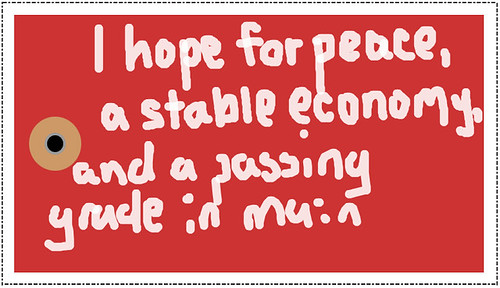
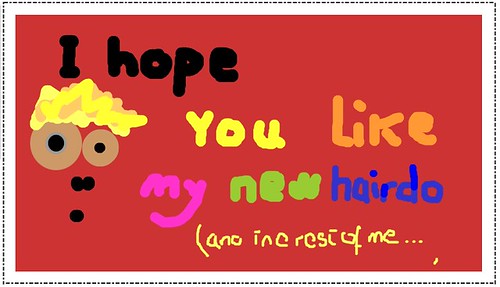
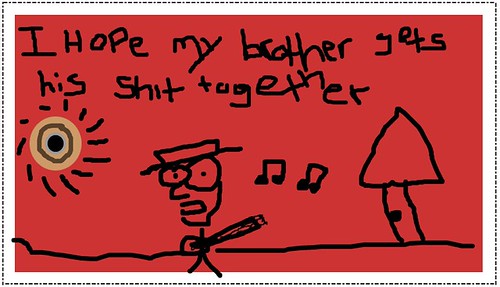
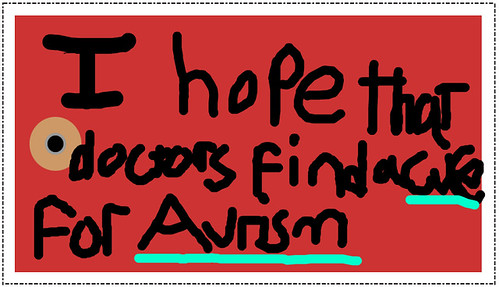
Obama’s popularity can be credited to his skillfully constructed presidential campaign that effortlessly linked his name to hope. I was quick to jump onto Obama’s online campaign message of hope. Like many others, I subscribed to his twitter, facebook, and YouTube pages. I now get weekly emails from him and I even have a blog on his site…

 Maya Talk